
How to Celebrate Student Achievements and Milestones in Meaningful Ways
Updated: Feb 17

Why Some Celebrations Miss the Mark
I used to think celebration was simple. Praise the A students, applaud the test scores, hand out the awards at the end of the year. Done.
Then I started paying attention to student reactions. The kid who shrank when I called attention to their perfect score. The student who worked incredibly hard to move from an F to a C but got no recognition because a C isn't "award-worthy." The ones who achieved amazing social growth but never heard about it because we only celebrated academic wins.
That's when I realized: if we want to celebrate student achievements and milestones effectively, we need to get more thoughtful about what we're recognizing and how we're doing it.
What It Really Means to Celebrate Student Achievements and Milestones
Let's expand our definition of achievement. Yes, academic milestones matter—improved grades, mastered skills, completed projects. But that's not the whole story.
Effort and persistence deserve recognition. The student who keeps showing up and trying despite struggle is demonstrating something valuable. We should name that and celebrate it.
Social and emotional growth counts too. Learning to manage frustration, advocate for yourself, resolve conflicts, include others—these are achievements that shape students' entire lives.
Character moments matter. When a student shows kindness, integrity, courage, or compassion, that's worth celebrating. These moments often go unnoticed, but they shouldn't.
Progress from individual starting points is an achievement. Moving from a 60 to a 75 might represent more growth and effort than moving from a 95 to a 100. Both deserve recognition.
Matching Celebration to the Student
Here's where many of us get it wrong: we celebrate everyone the same way and wonder why it doesn't land.
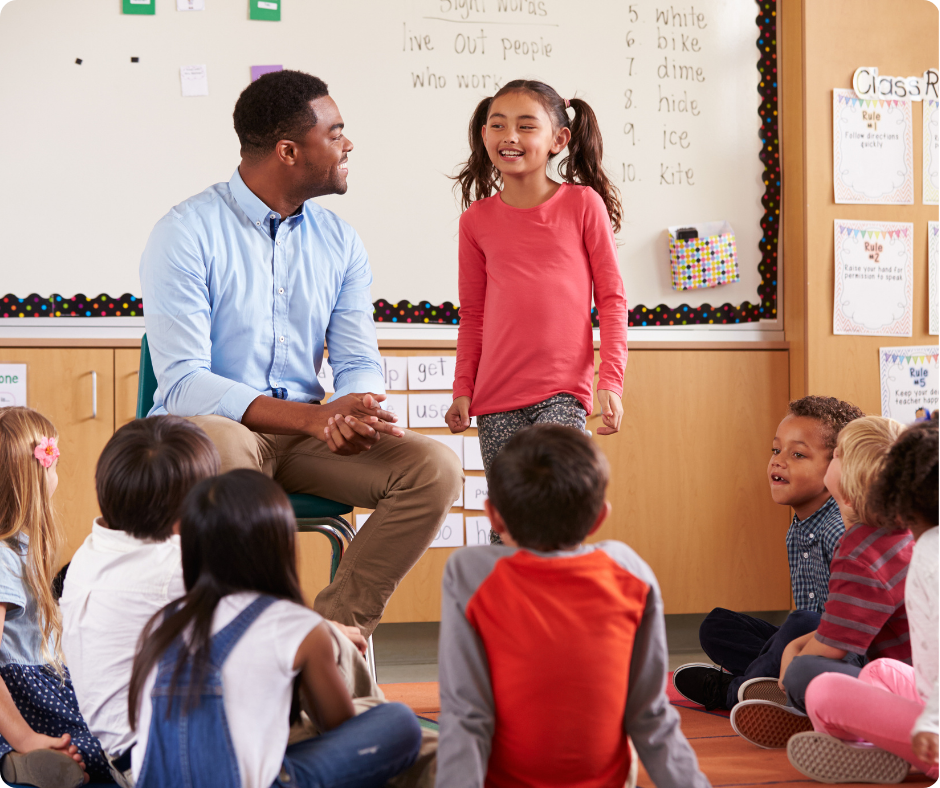
Some students love public recognition. They light up when their name is announced or their work is displayed. Others find public attention mortifying—they'd rather you acknowledged them quietly or not at all.
Some kids value tangible rewards—certificates, prizes, special privileges. Others care more about verbal affirmation or personal notes.
The key is knowing your students well enough to match the celebration to what actually matters to them. This means sometimes you'll celebrate the same achievement differently for different students—and that's okay.
Celebration Strategies That Feel Authentic
Let's get practical. Here are ways to celebrate student achievements and milestones that feel genuine rather than performative:
Personal notes make a big impact. A handwritten note recognizing specific growth or achievement takes three minutes and can mean everything to a student. Be specific about what they did and why it matters.
Celebrate the process, not just the product. Instead of "Great job on your project," try "I noticed how you revised your work multiple times and asked for feedback—that's what real learning looks like." This teaches students what led to success.
Create celebration rituals in your classroom. Maybe it's a weekly shout-out circle where students recognize each other. Maybe it's a "growth wall" where students post their own wins. Rituals make celebration regular rather than random.
Share growth stories with families. A quick email or call home celebrating something specific their child accomplished—especially social or character growth—strengthens relationships and gives students recognition where it might matter most.
Use peer recognition. Sometimes hearing "you helped me understand that" from a classmate means more than any teacher praise. Build in opportunities for students to acknowledge each other's contributions.
Avoiding Celebration Pitfalls
Not all recognition is helpful. Here are traps to avoid:
Don't only celebrate the same students repeatedly. When the same kids get recognized over and over, others disengage. Look intentionally for growth and achievement across all your students.
Avoid comparison-based praise. "You're the best in the class" or "You did better than everyone else" creates competition rather than community. Celebrate individual progress instead.
Don't celebrate in ways that embarrass students. Know which students want public recognition and which prefer private acknowledgement. Respecting their preferences shows you see them as individuals.
Skip empty praise. "Good job" means nothing without specifics. Tell students exactly what they did well and why it matters.
Building a Celebration Culture

The goal isn't just to celebrate occasionally—it's to build a classroom culture where growth and achievement are consistently noticed and valued.
Make celebration a regular practice, not a special event. When recognition happens frequently, it becomes part of your classroom culture rather than a rare occurrence that feels forced.
Teach students to celebrate themselves. Self-recognition is a skill. Ask students to identify their own growth and achievements. This builds self-awareness and confidence.
Celebrate effort and strategy, not just talent. When we only celebrate "smart" kids or "natural" athletes, we send the message that achievement is about innate ability rather than effort and strategy. Recognize the work, not just the result.
Connect celebration to your values. If you value collaboration, celebrate collaborative moments. If you value persistence, recognize students who keep trying. Your celebrations teach students what you truly care about.
Making It Manageable
You're already overwhelmed. Adding "more celebration" to your plate might feel impossible. Here's how to make it sustainable:
Start small. Pick one celebration strategy and commit to it for a month. Maybe it's writing three personal notes per week. Once that becomes a habit, add another strategy.
Use systems that work for you. Keep a running list of student achievements so you remember to acknowledge them. Set a weekly reminder to send a positive email home. Build celebration into existing routines rather than creating new ones.
Involve students in the process. They can help recognize each other's achievements, create celebration displays, or suggest ways they'd like growth to be acknowledged.
Remember that authentic celebration doesn't require elaborate production. Simple, specific, and sincere beats flashy and generic every time.
Celebrating Growth: Recognizing Achievements That Inspire More
When we celebrate student achievements and milestones thoughtfully, we're not just making kids feel good—though that matters too. We're teaching them to recognize their own growth, understand what leads to success, and value progress over perfection.
We're showing them that achievement looks different for everyone and that all kinds of growth deserve recognition. We're building a culture where effort matters, where character counts, and where every student has reason to feel proud of who they're becoming.
The students in front of you have achieved things this semester—big and small, academic and social, visible and quiet. Your job is to notice, to acknowledge, and to celebrate in ways that resonate. When you do that well, you're not just recognizing past achievement—you're motivating future growth.
Free Resource: Peer Recognition Cards
A printable resource that gives students a structured way to recognize their classmates. These simple cards prompt students to be specific about what they noticed, explain why it mattered, and deliver authentic appreciation directly to their peers.
When students learn to notice and acknowledge each other's contributions, you build a classroom culture where celebration becomes every
one's responsibility—not just yours.
Want practical teaching strategies and free resources delivered to your inbox each week?
Join our Educational Momentum newsletter where real educators share real tools for real classrooms—including celebration ideas, reflection strategies, and resources you can use tomorrow.



.png)
Comments