
Building Strong Parent School Partnerships to Support Your Child's Learning

A strong parent school partnership helps families understand their child's learning needs and communicate effectively with teachers. Learn practical strategies for building collaborative relationships that support student success.
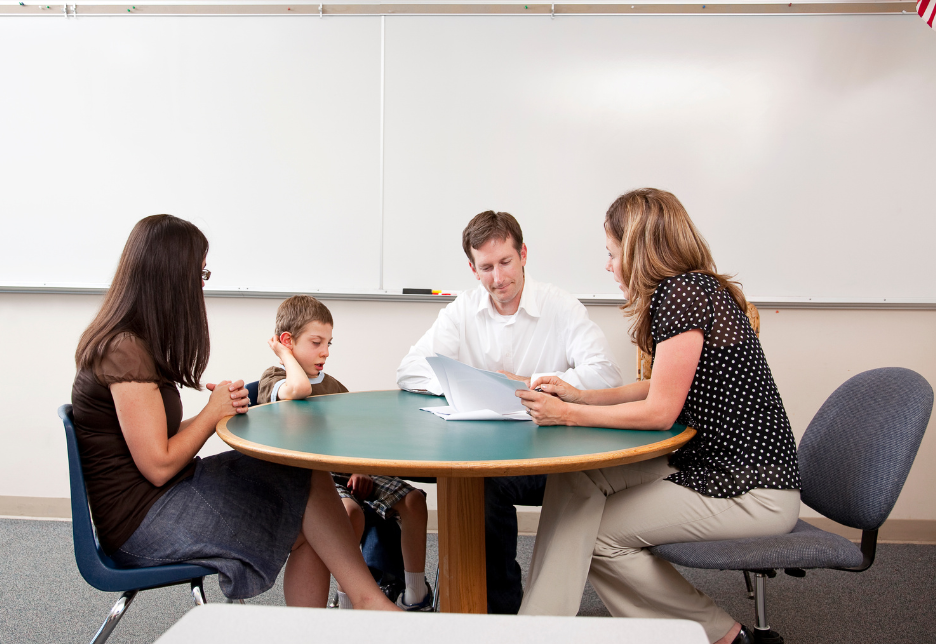
One of the most powerful tools parents have is parent-school communication. When families and educators share information, ask questions, and work toward common goals, children benefit from greater consistency and support.
Strong communication is not about having all the answers. It is about creating opportunities for meaningful conversations that help everyone better understand what a child needs to succeed.
Many parents spend more time with their child than anyone else. Teachers, meanwhile, have a unique perspective on how children learn, interact, and navigate academic expectations throughout the day. When these perspectives come together, a more complete picture emerges.
The goal is not perfection. The goal is partnership.
Why Building a Parent School Partnership Matters
A strong parent school partnership develops over time through intentional communication and shared commitment to a child's growth.
When parents and teachers work together, children notice. They see that the adults in their lives are paying attention to their learning and working toward common goals. That consistency is powerful.
It reduces confusion about expectations. It creates safety. It builds confidence. Beyond that, parent school partnerships make everyone's job easier. Teachers have more context about a child's strengths and challenges. Parents have a clearer picture of their child's experience during the school day.
When a child knows that home and school are communicating, they're more willing to take risks and try new things. They understand what's expected because the message is consistent across both environments.
Using Parent-School Communication to Understand Your Child's Learning Needs
Every child learns differently. Some thrive with structure. Others need movement, discussion, or hands-on experiences. Some are comfortable raising their hand in class, while others prefer written responses.
Understanding these preferences helps parents and educators make informed decisions about support strategies that actually work.
Questions such as "What strengths are you seeing?" or "What situations seem most challenging?" often lead to meaningful insights. These conversations help identify patterns that may not be visible from only one perspective.
It can also be helpful to look beyond grades. Engagement, confidence, organization, social interactions, and problem-solving skills all provide important information about a child's experience at school.

You might ask:
"How does she approach new tasks or challenges?"
"What does he do when something feels too hard?"
"How is she interacting with peers?"
"What motivates him in the classroom?"
"Where does she seem most confident?"
These questions paint a fuller picture than test scores alone. When you approach conversations with genuine curiosity, not to prove a point but to truly understand, you often gain deeper insights into what your child needs.
Strengthening Parent-School Communication Through Effective Conversations
Effective communication does not require formal meetings or lengthy emails. Clear, respectful conversations focused on shared goals work best.
Approaching conversations as opportunities for collaboration helps build trust over time. Instead of focusing solely on concerns, ask about successes, strengths, and areas of growth.
Educators appreciate when parents share information that helps them understand a student. Parents appreciate when educators provide clear feedback and practical observations. These exchanges create a foundation for stronger teamwork.
Questions are welcome. Asking for clarification, examples, or additional information is part of being an engaged partner. The strongest relationships are built through ongoing communication rather than waiting until challenges arise.
You might open with: "I've noticed she seems more confident with reading lately. Have you seen that too?" Or: "He had a hard time with the assignment we tried at home. I'm curious how it's going at school."
What a Parent School Partnership Looks Like in Practice
A strong parent school partnership includes:
Regular communication — not just when there's a problem, but ongoing conversations throughout the year
Consistency — when a teacher mentions something, you notice it at home too and work on it
Flexibility — finding the communication method that works for both
Assumption of good intent — you're on the same team, even when you have different perspectives
Building a Shared Vision for Success
When families and schools communicate consistently, children receive a powerful message: the adults in their lives are working together.
This alignment helps create predictability, reinforces expectations, and supports growth across settings. It also allows challenges to be addressed earlier and successes to be celebrated more often.
Imagine a child who struggles with transitions. At home, the parent uses a five-minute warning. At school, the teacher does the same. The child learns that this strategy works everywhere.
Parent-school communication is not about agreeing on everything. It is about staying connected, remaining focused on the child, and continuing to move forward together.
Creating the Partnership You Need
Building a strong parent school partnership doesn't require elaborate systems. It requires intention and consistency.
Start with one conversation. Ask one genuine question. Share one observation. Thank a teacher for something specific they did.
Show up. Respond to communications. Be curious instead of critical.
Most teachers entered the profession because they care about children. Most parents are doing their best to support their child's learning. When those intentions meet in genuine communication, powerful things happen.
A strong parent school partnership is one of the most powerful supports a child can have.
Ever leave a school conversation wishing you had asked one more question?
Our newsletter is designed for parents who want practical tools, thoughtful guidance, and real-world strategies for navigating school, learning, and family life. Join us for weekly insights that help you feel more confident in supporting your child.


.png)
Comments